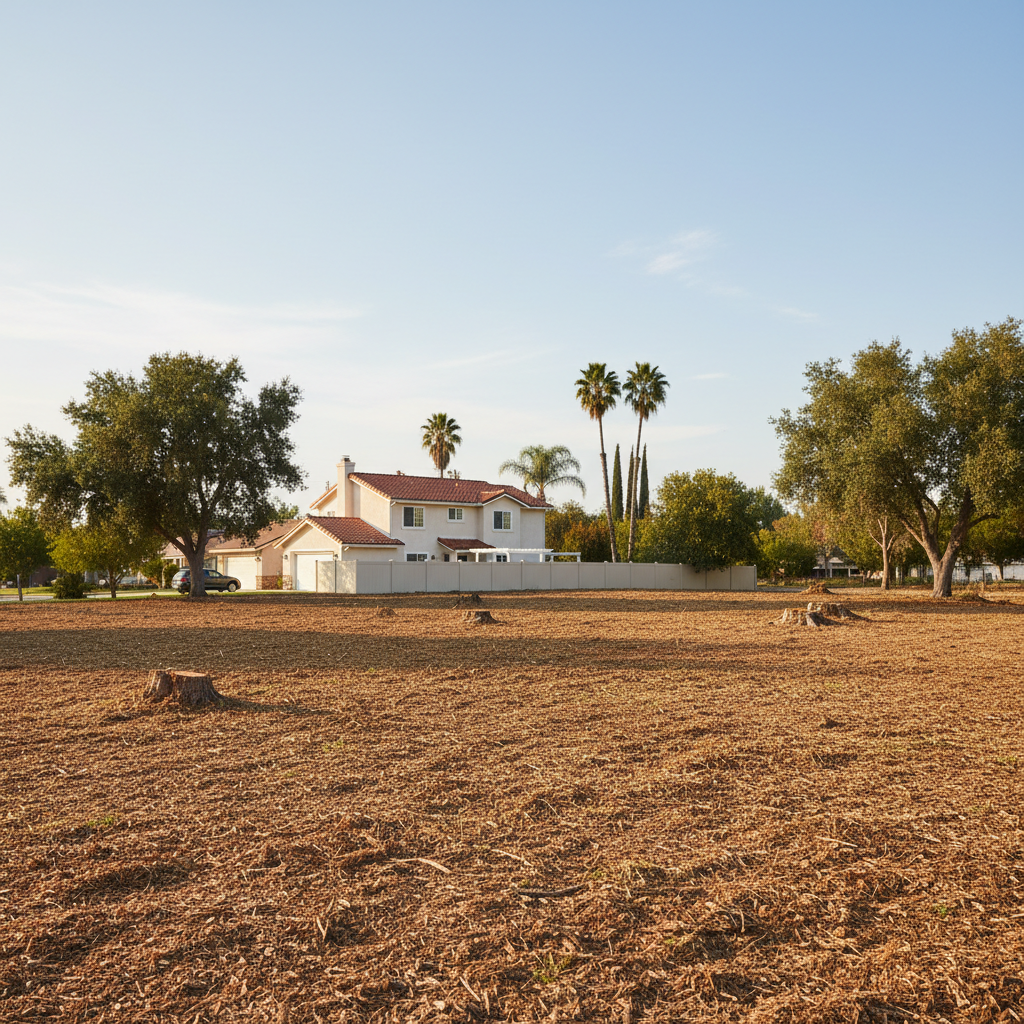
So, you've had some land cleared, maybe for a new build, a garden expansion, or just to get rid of overgrown brush. That's a big job, and you want that investment to last, right? It's not a 'set it and forget it' kind of deal, especially here in Southern California where things grow fast and the weather can be a real factor.
Extending the Life of Your Land Clearing Work
The best way to keep your cleared land clear is to be proactive. Think of it like maintaining your car; a little regular attention goes a long way. After we've come in and done the heavy lifting – removing trees, stumps, brush, and grading – the ground is exposed. This is where you need to act quickly to prevent new growth from taking over.
One of the biggest things you can do is establish a plan for what goes there next. If it's going to be a lawn, get that sod or seed down. If it's a garden, get your plants in. Bare earth is an open invitation for weeds and volunteer saplings to sprout up. For larger areas that you just want to keep clear, consider laying down a good quality landscape fabric and then covering it with mulch or gravel. This suppresses weed growth significantly. We've seen properties in areas like the Alameda Street corridor, where the soil can be pretty rich from years of agricultural runoff, get overgrown again in just a few months if left unattended.
Another tip: improve your drainage. When you clear land, you change the way water moves. Make sure any low spots are filled or graded to prevent standing water, which can encourage certain types of invasive plants and pests. Good drainage also helps prevent soil erosion, which is a big deal, especially on sloped properties during our rainy season.
Regular Maintenance: What It Looks Like
This isn't about bringing in heavy machinery every year. It's about consistent, lighter work. Here's what I tell folks:
- Weed Control: This is your number one enemy. Hand-pulling small weeds is effective if you catch them early. For larger areas, consider spot-treating with herbicides, but always follow the instructions carefully. Don't just spray everything.
- Brush & Sapling Patrol: Walk your property regularly, especially after a good rain. Look for any new tree saplings or aggressive brush species trying to establish themselves. It's much easier to pull out a small sapling by hand than to cut down a five-foot tree later.
- Mulch Refresh: If you've used mulch, it breaks down over time. Top it off every 1-2 years. This not only keeps weeds down but also helps retain soil moisture, which is crucial during our long, dry summers.
- Check for Erosion: After heavy rains, walk the perimeter and any sloped areas. Look for ruts or areas where soil is washing away. Address these quickly with straw wattles, sandbags, or by planting ground cover.
Warning Signs of Problems
You don't need to be an expert to spot when things are going south. Here are some red flags:
- Rapid Regrowth: If you see a significant amount of brush or small trees popping up quickly, especially within a few months of clearing, it means you've got aggressive species or a seed bank that's just waiting for an opportunity.
- Deep-Rooted Weeds: Weeds that are tough to pull, or that keep coming back even after you've pulled them, are a sign you might need a more systematic approach to weed control.
- Soil Shifting: Visible erosion, like gullies forming or soil piling up in places it shouldn't be, is a serious issue. It can undermine foundations or damage landscaping.
- Pest Infestations: Cleared land can sometimes become a haven for certain pests if not managed. Keep an eye out for signs of rodents or insects that might be attracted to new growth or debris.
When to Call a Professional
Look, you can handle a lot of the day-to-day stuff yourself. But there are times when you really need to bring in the pros. Don't hesitate if:
- The Regrowth is Overwhelming: If you're looking at an area that's getting thick with brush and saplings again, and it's too much for you to handle with hand tools, it's time to call us. We've got the equipment and the crew to get it back under control efficiently.
- You're Dealing with Stubborn Stumps or Roots: Sometimes, even after clearing, old roots can sprout. If you've got persistent stump sprouts or large roots causing issues, Lynwood Tree Service can come in with stump grinders or specialized equipment to take care of them properly.
- Erosion is a Major Issue: If you're seeing significant soil loss or your property's grading seems off, you might need an expert to assess the situation and recommend solutions like retaining walls or more extensive re-grading.
- You're Not Sure What You're Dealing With: If you're seeing strange plants you can't identify, or you suspect a specific pest problem related to the land, it's better to get a professional opinion. We can help identify invasive species and recommend the best course of action.
Keeping your cleared land clear isn't a one-time thing. It's an ongoing process, but with a little regular effort, you can protect your investment and keep your property looking great for years to come.