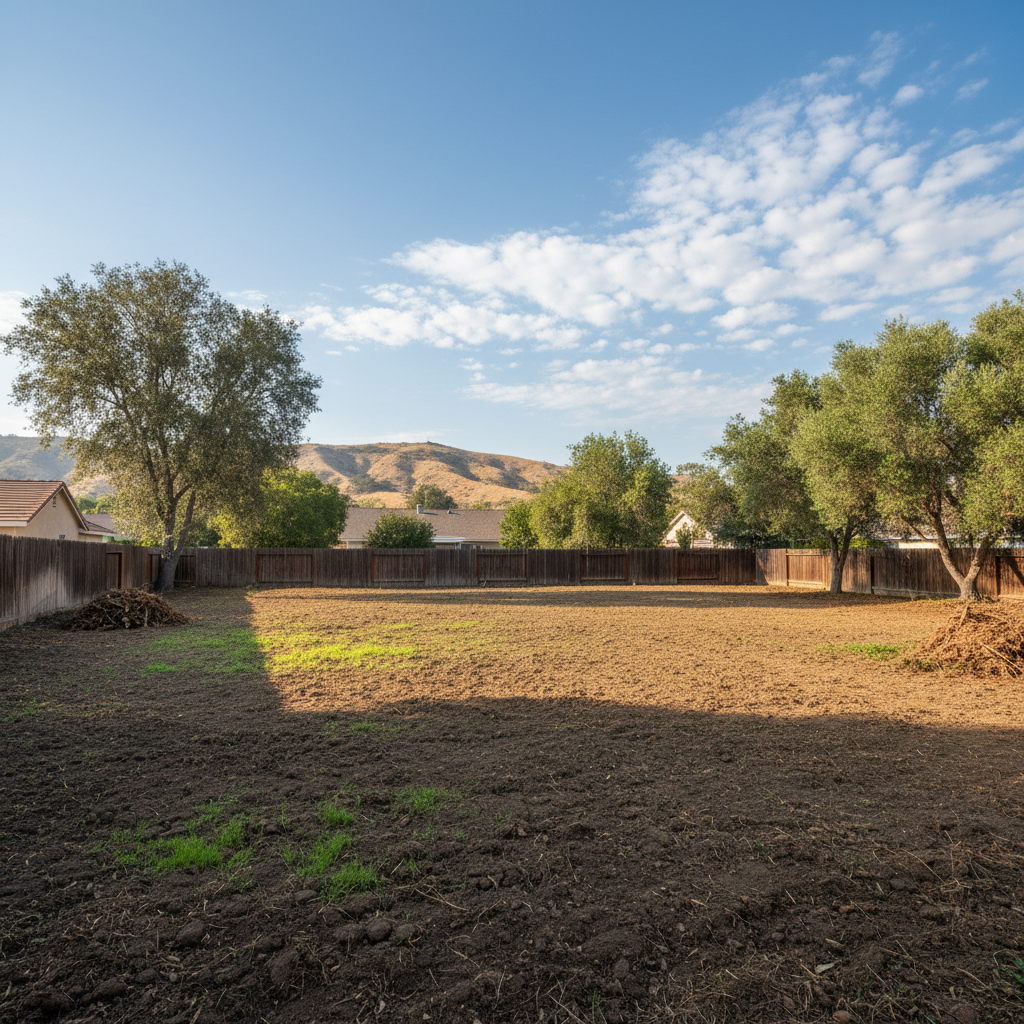
So, you've got a piece of land in Lynwood you're looking to clear. Maybe it's an overgrown lot you just bought, or you're finally tackling that section of your backyard that's become a wild jungle. Land clearing sounds simple enough, right? Just get rid of everything. But I'm telling you, as someone who's been doing this work for years, there are some serious traps homeowners fall into. You don't want to be one of them.
Mistake #1: Not Getting Proper Permits (or Any at All)
This is probably the biggest and most common mistake I see. People just assume they can clear whatever they want on their own property. Nope, not always. Lynwood, like any city, has rules. You might need a permit for grading, for removing certain types of trees (especially if they're mature or protected species), or if the area is near a flood zone or has specific environmental protections. Ignoring this can lead to hefty fines, stop-work orders, and a whole lot of headaches. Before you even think about firing up a chainsaw or hiring a crew, call the city's planning or building department. Ask them what's required for your specific project. It's way better to spend an hour on the phone now than thousands of dollars later.
Mistake #2: Underestimating the Scope and Cost
Land clearing isn't just about cutting down trees. It's about stump removal, brush hauling, grading, and sometimes even dealing with old foundations or hidden debris. I've seen properties in older Lynwood neighborhoods, especially around the Alameda Street corridor, where people find all sorts of buried junk once they start digging. Homeowners often get a quote for 'tree removal' and think that's the whole job. It's not. You need to be crystal clear with your contractor about what 'clearing' means to you and what's included in their estimate. Does it include hauling away all the debris? Stump grinding? Leveling the ground? Make sure it's all spelled out. A cheap quote upfront often means a lot of 'extras' later.
Mistake #3: Hiring the Cheapest Bid Without Due Diligence
Everyone wants to save money, I get it. But land clearing is not the place to cut corners by hiring the lowest bidder without checking them out. This is heavy machinery work, often involving large trees and potential hazards. You need a contractor who is licensed, insured, and reputable. Ask for proof of their liability insurance and worker's comp. Call their references. Check online reviews. A contractor who gives you a suspiciously low price might be cutting corners on safety, not carrying proper insurance, or planning to hit you with hidden fees. If they damage your property or, God forbid, someone gets hurt, you could be on the hook if they're not properly insured. At Lynwood Tree Service, we always provide all our credentials upfront because your peace of mind is worth it.
Mistake #4: Not Considering the Soil and Drainage
Lynwood's soil can vary quite a bit, from sandy loam to heavier clay, and that affects how water drains. If you clear a lot of vegetation, especially on a sloped property, you can change the natural drainage patterns. This can lead to erosion, water pooling where you don't want it, or even foundation issues for nearby structures. A good land clearing contractor won't just clear the land; they'll consider the impact on the surrounding area. They might suggest specific grading or drainage solutions to prevent future problems. Don't just think about what you're removing; think about what's left behind and how it will behave, especially with our occasional heavy winter rains.
Mistake #5: Failing to Plan for What Comes Next
Why are you clearing the land in the first place? Is it for a new garden, a shed, a building extension, or just to open up space? Whatever it is, you need to have a rough plan before the clearing starts. This helps your contractor understand the final vision and avoid unnecessary work or mistakes. For example, if you're building, you'll need the land graded to specific levels. If it's a garden, you might need certain soil amendments. Telling your contractor,