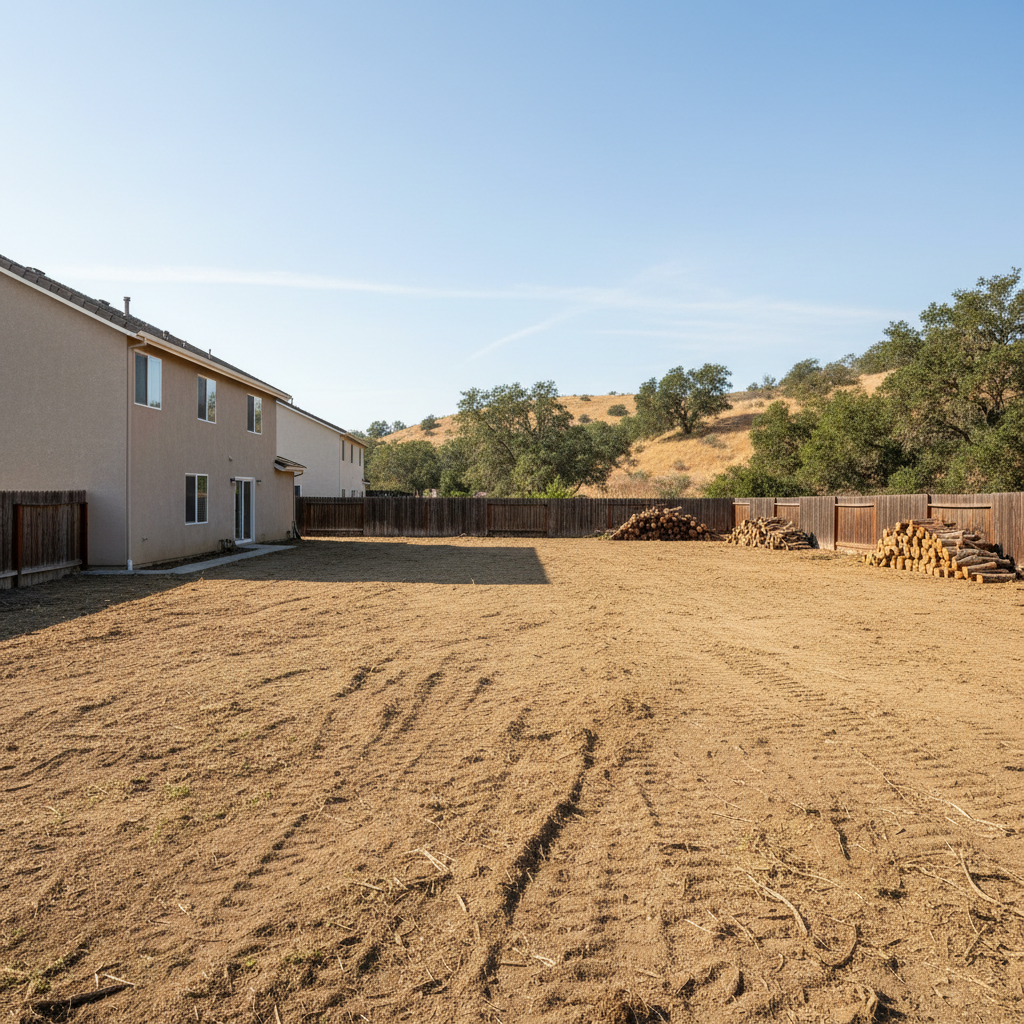
You're looking at that overgrown section of your yard, or maybe you've just bought a new lot in Lynwood and it's a jungle out there. Land clearing isn't just about getting rid of trees and brush; it's about setting up your property for success, and a big part of that is knowing when to do the work. Here in Lynwood, our seasons might not be as dramatic as other places, but they definitely impact when and how you should clear your land.
When's the Best Time for Land Clearing in Lynwood?
Honestly, there's no single 'best' time that works for every situation. It really depends on what you're trying to achieve and what kind of vegetation you're dealing with. But I can tell you what I've seen work well for folks around here.
- Late Fall to Early Spring (November - March): This is often the sweet spot for a lot of land clearing projects. Why? The ground is usually drier than in the peak of winter, but not bone-dry and dusty like late summer. Deciduous trees have dropped their leaves, making it easier to see the full scope of what needs to go. Plus, the cooler temperatures mean less stress on equipment and crews, and you're not battling the intense summer heat. If you're planning any construction, getting the land cleared before the spring rains can save you a lot of headache.
- Summer (June - August): This can be a tough time for major clearing, especially if you're dealing with a lot of heavy brush or large trees. The heat can be brutal, making it harder on the crew and increasing the risk of heat-related issues. Also, if you're working with heavy machinery, the dry, dusty conditions can kick up a lot of particulate matter, which isn't great for air quality or visibility. That said, if you've got a smaller job or need to get something done quickly for a project, we can definitely make it work. Just be prepared for potential dust and heat-related delays.
- Peak Rainy Season (January - February): Our winters aren't like the Midwest, but we do get our share of rain. When the ground is saturated, heavy equipment can do a lot more damage to the soil. We're talking ruts, compaction, and generally making a mess. It's also slower and more dangerous for the crew. If you can avoid clearing during the heaviest rains, you'll save yourself some headaches and potentially some costs from needing to repair the ground afterward.
How Lynwood Weather Affects the Work
Our local climate, with its long, dry summers and shorter, wetter winters, plays a huge role in how we approach land clearing. I've worked on properties all over Lynwood, from the older, established neighborhoods near Plaza Mexico with their mature trees, to the newer developments where folks are starting from scratch. You've got to consider a few things:
- Dry Conditions & Fire Risk: In the summer, especially after a few dry months, fire risk is a real concern. Any machinery can spark, and dry brush goes up fast. We take extra precautions, like having water on site and being super careful with equipment. This isn't just about our safety; it's about protecting your property and the whole community.
- Wet Soil & Compaction: As I mentioned, wet soil is a problem. Beyond the mess, heavy machinery can compact the soil, which isn't good for future planting or drainage. If you're planning to garden or build, you want healthy, uncompacted soil. We'll always assess the ground conditions before we start to make sure we're not doing more harm than good.
- Wind: We get some pretty gusty days, especially during Santa Ana conditions. High winds can make felling large trees much riskier. It's a safety issue for my crew and for your property. We'll often postpone work if the wind speeds are too high.
Protecting Your Investment Year-Round
Once your land is cleared, you've made a significant investment. You don't want it to turn back into a jungle next year. Here's how to keep it looking good:
- Regular Inspections: Walk your property every few months. Look for new sprouts, invasive weeds, or any signs of regrowth. Catching these early makes them much easier to deal with.
- Strategic Planting: If you're replanting, choose native or drought-tolerant species that won't quickly get out of control. Think about what you want the space to be used for and plan accordingly.
- Mulching: A good layer of mulch can suppress weeds, retain soil moisture, and improve soil health. It's a simple, effective way to maintain your cleared land.
- Scheduled Maintenance: For larger properties, consider a regular maintenance schedule. Whether it's annual brush clearing or just keeping an eye on things, a little proactive work goes a long way. That's where a company like Lynwood Tree Service can help you plan out what makes sense for your property and your budget.
Ultimately, getting your land cleared is a big step towards shaping your property the way you want it. By understanding our local seasons and how they impact the work, you can make smarter decisions and ensure your investment pays off for years to come.