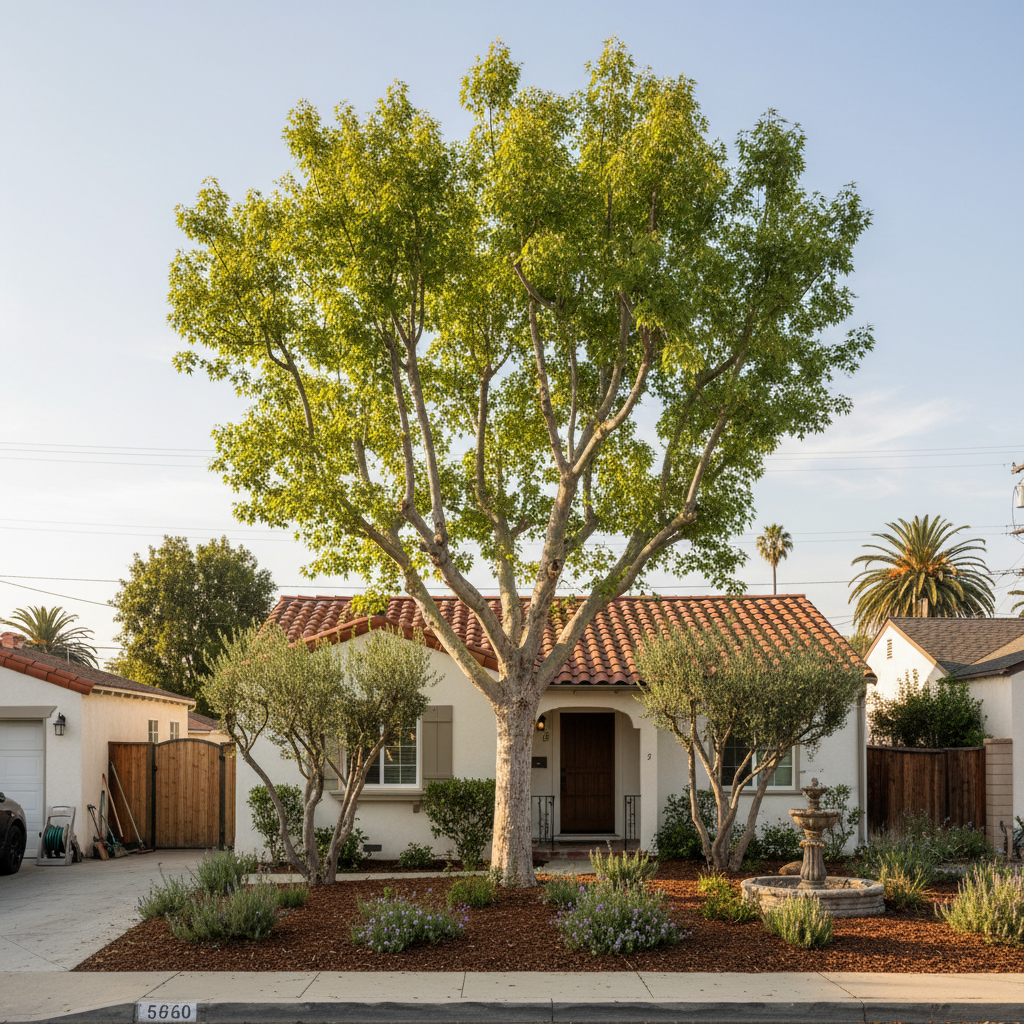
Do you ever wonder why your trees sometimes look a little stressed out? This can happen even when you are trying your best to take care of them. Here in Lynwood, our local climate throws some curveballs at our greenery. Understanding these things can make all the difference in keeping your trees healthy all year. It is not just about watering your trees. It is also about timing and knowing what to look for when it comes to Lynwood Tree Service.
Understanding Lynwood's Climate and Your Trees
Our Southern California weather has warm, dry summers as well as mild, often wet winters. This means our trees are always working hard. We are in USDA Plant Hardiness Zone 10b. This sounds good for growing plants, but it also means our trees face specific challenges. You have to remember that many of the mature trees you see around Lynwood were chosen for quick shade. This is especially true in those older neighborhoods with homes built in the 50s and 60s. These trees were not necessarily chosen for long-term resilience to drought. That is why you will see a lot of ficus, eucalyptus, and sycamores that need a little extra attention from a Lynwood Tree Service.
Drought is a big problem for trees in Lynwood. We get about 13.5 inches of rain each year. Years of low rainfall and water restrictions really stress out our trees. When trees do not get enough water, their natural defenses go down. This makes them easy targets for pests as well as diseases. You might see leaves turning yellow or brown. You might also see leaves dropping early. Sometimes, the soil around the roots cracks, and limbs get brittle. Ignoring these signs can lead to bigger problems. This can even lead to a tree dying off. Lynwood Tree Service can help identify these issues.
Another thing to consider is our soil in Lynwood. The soil around here can often be clay-heavy. It can also be compacted, especially in developed areas. This makes it tough for roots to get the water and nutrients they need. Those lawn sprinkler systems that run for short bursts every day are actually bad for trees. They encourage shallow roots that cannot handle drought. Deep, infrequent watering is usually what your trees need for good health. Lynwood Tree Service understands these local soil conditions.
When to Schedule Tree Services
Timing is important when it comes to tree care. You do not want to prune a tree during its active growing season if you can avoid it. This can stress the tree out. It can also invite pests or diseases. Lynwood Tree Service plans work around these important timings.
Winter (December - February)
This is generally the best time for pruning most trees. This is especially true for deciduous trees that have lost their leaves. With no leaves, our Lynwood Tree Service team can clearly see the tree's structure. We can also spot any dead or weak branches. Pruning in winter also reduces the risk of disease spreading. It also reduces insect infestations because many of those nasties are dormant. Winter pruning is less stressful for the tree. It helps encourage healthy new growth in the spring.
Spring (March - May)
Early spring is good for light tree maintenance. This includes removing any branches that got damaged over winter. If you have flowering trees, prune them right after they bloom. This encourages more flowers next year. Just avoid heavy pruning when trees are actively growing. Heavy pruning can weaken them. Lynwood Tree Service can help with spring maintenance.
Summer (June - August)
Summer pruning is usually for corrective work or safety trims. This means reducing weight on long limbs. It also means opening up the canopy for better airflow. Our Lynwood Tree Service team also takes out dead or dangerous branches before our windy seasons hit. For our native oaks, summer (July to October) is actually the only safe time to prune them. Pruning them in wet, cool months can lead to serious diseases. This includes Sudden Oak Death.
Fall (September - November)
Fall is a transitional time for trees. You want to avoid major cuts on sensitive trees that are heading into dormancy. However, it is a good time to remove weak or overextended branches. These branches could cause problems during winter storms. Light pruning to remove deadwood is okay. Extensive pruning can make fresh cuts take longer to heal. It can also attract pests or fungi. Lynwood Tree Service can advise on fall tree care.
Weather Conditions That Affect Our Work
You might not think about it, but the weather really dictates what Lynwood Tree Service can do. It also dictates when we can do it safely.
- Wind: High winds are a no-go for a lot of tree work. This is especially true if we are dealing with tall trees. It is also true for branches near power lines. High winds are too dangerous for our crew. They are also too dangerous for your property. We get some pretty strong winds here in Lynwood. This is especially true during Santa Ana season. Our Lynwood Tree Service team is always keeping an eye on the forecast.
- Rain: A little drizzle is not usually a problem. Heavy rain makes surfaces slippery. It also reduces visibility. Heavy rain can also make the ground soft. This is not ideal for heavy equipment. Wet wood is heavier as well as harder to handle safely.
- Extreme Heat: Our Lynwood summers can get very hot. Working in extreme heat is tough on the crew. Extreme heat can also stress out trees more if they are being pruned. Our Lynwood Tree Service team often adjusts schedules to work earlier in the day when it is cooler.
- Drought: As we mentioned, drought weakens trees. This makes them more susceptible to disease as well as pests. If we are working on a drought-stressed tree, we take extra precautions. We do this to minimize further stress. We also recommend specific aftercare.
Protecting Your Investment Year-Round
Your trees are a big part of your property's value. They also add to your curb appeal. Here is how to protect them with Lynwood Tree Service:
- Regular Inspections: Get your trees inspected at least once a year. Ideally, this should be in spring or early summer. A professional Lynwood Tree Service can spot problems early. This includes nutrient deficiencies, diseases, or pest attacks. We are talking about issues like the Goldspotted Oak Borer that can devastate native oaks. We also look for various aphid species and fungal infections like anthracnose or powdery mildew.
- Proper Watering: This is very important, especially with our drought conditions in Lynwood. Deep, infrequent watering is key. Avoid those shallow, daily sprinkler cycles. They encourage weak roots.
- Mulch: A good layer of mulch around the base of your trees helps retain moisture. It also regulates soil temperature. Mulch also keeps weeds down.
- Disease and Pest Management: If you see warning signs, get them checked out. This includes excessive dead branches, oozing sap, or a general decline. Lynwood Tree Service can help protect your trees from specific local pests as well as diseases. These are common here in Lynwood.
- Structural Care: For mature trees, regular structural pruning helps maintain their health. This is especially true for those older trees common in Lynwood. It also reduces the risk of limbs failing during windstorms.
Taking care of your trees is not a one-time thing. It is an ongoing commitment. But with the right seasonal care and a little local know-how, your Lynwood trees will thrive. If you have questions about your specific trees or need to schedule some work, do not hesitate to give Lynwood Tree Service a call. We are always here to help you keep your property looking its best.