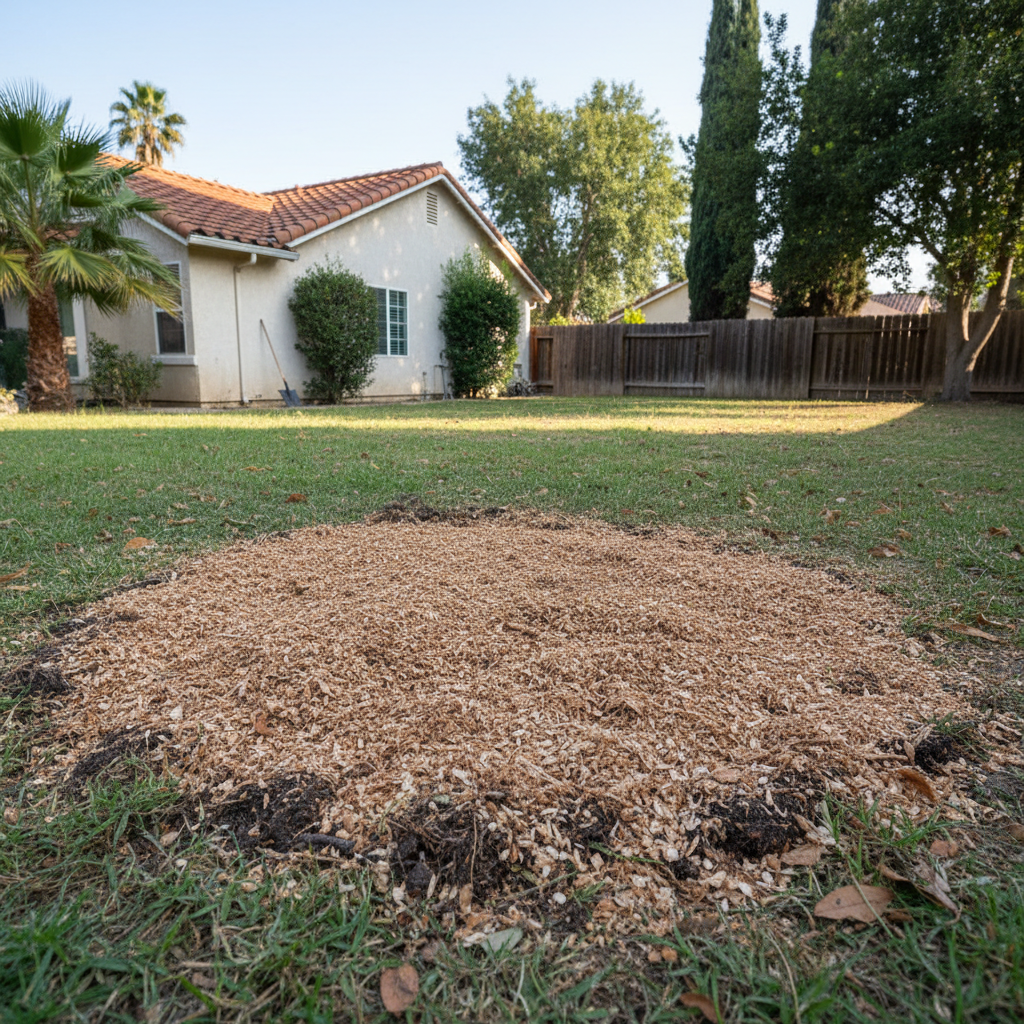
Do I really need to remove that old tree stump? Can't I just leave it?
Look, you *can* leave it. Nobody's going to fine you for having a stump in your yard. But from my experience, it's usually a bad idea in the long run. Stumps are tripping hazards, especially if they're in a high-traffic area or where kids play. They also attract pests like termites, ants, and beetles, which you definitely don't want getting cozy in your yard and then deciding your house looks like a nice place to live. Plus, a decaying stump can host fungi that might spread to healthy trees or plants nearby. And let's be honest, they just look ugly, bringing down your curb appeal. If you're thinking about replanting or landscaping, that stump is going to be a major obstacle.
What's the difference between stump grinding and stump removal?
This is a common question, and it's important to understand the distinction because they're two different services with different outcomes. Stump grinding uses a specialized machine with a rotating cutting head to chip away at the stump, usually grinding it down 6 to 12 inches below ground level. What's left is a pile of wood chips and a hole that you can fill with soil and plant grass or new shrubs over. The main roots are still in the ground, but they'll eventually decompose. It's quicker, generally less expensive, and less disruptive to your yard.
Stump removal, on the other hand, means getting the entire stump *and* all its major roots out of the ground. This often involves heavy machinery, digging, and can leave a much larger hole. It's a more intensive process, takes longer, costs more, and can really mess up your landscaping in the immediate area. We usually only recommend full removal if you're planning to build something right where the stump was, or if the tree was diseased and you need to ensure no trace of the disease remains in the soil through root fragments.
How much does stump grinding or removal cost in Lynwood?
That's the million-dollar question, right? And like most things, there's no one-size-fits-all answer. The cost depends on a few key factors:
- Stump Size: The bigger the diameter of the stump, the more time and effort it takes to grind or remove. A small 12-inch stump is a lot different than a 4-foot monster.
- Tree Type: Some trees, like oaks or sycamores, have incredibly dense wood and extensive root systems, making them harder to deal with than, say, a palm tree.
- Location: If the stump is in an easily accessible spot in your front yard, it's generally easier and cheaper than one tucked away in a tight backyard corner up against a fence or a retaining wall. We might need smaller, specialized equipment or even have to do some work by hand, which adds to the labor.
- Soil Conditions: Here in Lynwood, we often deal with pretty compacted or clay-heavy soil, which can make digging out roots more challenging if you opt for full removal.
- Grinding Depth: If you need it ground deeper than the standard 6-8 inches, that'll be an extra charge.
The best way to get an accurate quote is to have us come out and take a look. We offer free estimates, so you'll know exactly what you're getting into.
Will stump grinding damage my lawn or surrounding plants?
We take every precaution, but some minor disturbance is usually unavoidable, especially with larger stumps. When we grind a stump, there will be wood chips and sawdust. We try our best to contain it, but some will inevitably spread. We'll also need to get our grinding machine to the stump, which can leave tracks if the ground is soft, but we're careful. For full removal, there's definitely going to be a larger area of disturbance. We always advise clearing the area around the stump of any valuable plants or decorations before we start, just to be safe.
How long does the process take?
Most standard stump grinding jobs for an average-sized stump (say, 18-24 inches in diameter) can be done in an hour or two. Larger, more complex stumps or those in difficult locations might take half a day. Full stump removal, especially with extensive root systems, can be a multi-hour or even multi-day project depending on the size and scope. We'll give you a time estimate when we provide your quote.
What should I do with the wood chips after grinding?
You'll end up with a pile of wood chips and soil mix. Many of our Lynwood customers choose to keep them. They make excellent mulch for garden beds, helping to retain moisture and suppress weeds. You can also spread them out in the hole where the stump was, then add some topsoil on top and plant grass seed. If you don't want them, we can haul them away for an additional fee. Just let us know your preference when we're giving you the estimate.
Can I plant a new tree in the same spot after the stump is gone?
If you've had the stump ground down, you can definitely plant something there, but it's usually best to wait a bit and amend the soil. The wood chips left behind will decompose, which can temporarily deplete nitrogen from the soil. You'll want to remove as many chips as possible, fill the hole with good quality topsoil, and mix in some compost or fertilizer to give your new tree a healthy start. If you had a full stump removal, you'll have a much larger hole to fill, but you can plant a new tree there almost immediately after backfilling with fresh soil. Just make sure the old tree wasn't diseased, or you might pass that problem on to your new sapling. If you're unsure, ask us – we've seen it all with trees in Lynwood.
Got more questions? Don't hesitate to give us a call at Lynwood Tree Service. We're here to help you figure out the best way to deal with those stubborn stumps.