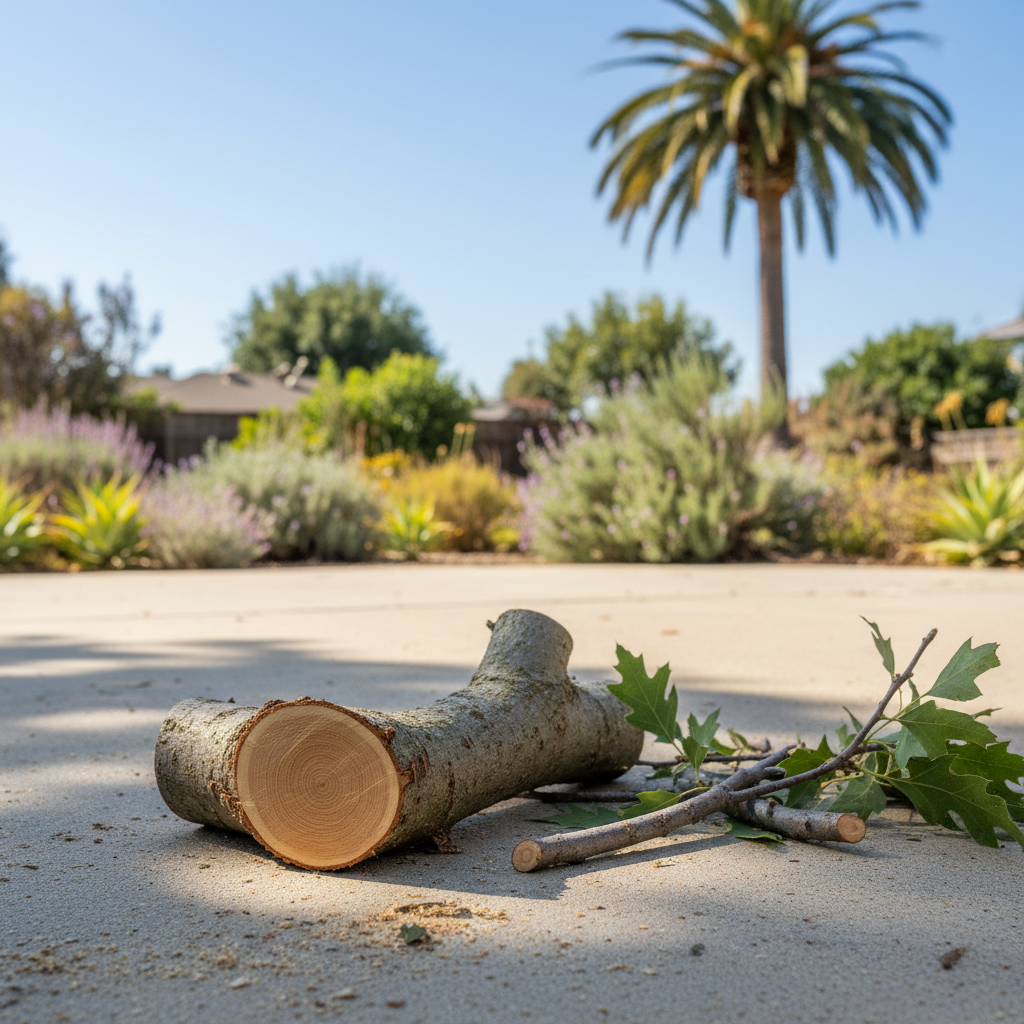
Alright, let's talk trees. Specifically, let's talk about pruning them. I get a lot of questions from folks around Lynwood about their trees, and pruning is always high on the list. It makes sense; you want your trees to look good and stay healthy, but you don't want to mess it up. So, I've put together some of the most common questions I hear, and I'm giving you my honest answers, no fluff.
What's the real difference between pruning and trimming? Aren't they the same?
People use these terms interchangeably all the time, and I get it. But there's a difference, and it's important for your tree's health. Think of it this way: trimming is usually about aesthetics and maintenance. You're cutting back branches for shape, to keep them off your roof, or to clear a walkway. It's often lighter work, more frequent.
Pruning, on the other hand, is more about the tree's health and structure. You're removing dead, diseased, or damaged branches. You might be thinning the canopy to improve air circulation or light penetration, or training a young tree for a strong future growth pattern. Pruning is more strategic, often done less frequently, and aims for long-term benefits. We do both at Lynwood Tree Service, but we always approach it with the tree's overall well-being in mind.
When's the best time of year to prune my trees in Lynwood?
This is probably the most asked question, and the answer isn't a simple one-size-fits-all. For most deciduous trees (the ones that lose their leaves), the dormant season – late fall to early spring, after the leaves have dropped but before new buds form – is ideal. Why? Because the tree is 'asleep,' so it's less stressed, and you can clearly see the branch structure without leaves in the way.
However, there are exceptions. If you're dealing with dead or hazardous branches, those need to come off whenever you spot them, regardless of the season. Some trees, like fruit trees, have very specific pruning times to encourage fruit production. And for flowering trees, you prune based on their bloom cycle – usually right after they finish flowering. Here in Lynwood, with our mild winters, that dormant window can be pretty flexible, but generally, late December through February is a good bet for most shade trees.
Can I just do it myself, or do I really need to hire a professional?
Look, for small, easily accessible branches that you can reach safely from the ground with hand pruners or a pole saw, sure, you can probably handle it. If you're just snipping off a few suckers or small dead twigs, go for it. But if you're talking about anything that requires a ladder, a chainsaw, or involves branches near power lines, you need to call a pro. Seriously. I've seen too many accidents, and it's just not worth the risk to yourself or your property.
Professionals have the right equipment, the training, and the insurance. They know about tree biology, proper cutting techniques, and how to safely remove large limbs without damaging the tree or anything underneath it. Don't underestimate what a bad cut can do to a tree's long-term health, either. An improper cut can lead to disease, decay, or even structural failure down the line.
How much pruning is too much? I don't want to hurt my tree.
That's a very smart question. A general rule of thumb is never to remove more than 25% of a tree's live canopy in a single year. For younger or stressed trees, you might even want to keep it closer to 10-15%. Taking off too much at once can shock the tree, stress it out, and make it more vulnerable to pests and diseases. It can also trigger a lot of rapid, weak growth (water sprouts) that you'll just have to prune again later.
Think of it like a haircut – you want to shape it, not scalp it. A good arborist focuses on strategic removal for health and structure, not just hacking away. We aim for a balanced approach that promotes strong, healthy growth without over-stressing the tree.
My tree has these weird sprouts growing straight up from the branches – what are they, and should I cut them?
Ah, you're talking about 'water sprouts' (they're also sometimes called 'suckers' if they're coming from the base or roots). These are fast-growing, vertical shoots that often appear after a tree has been stressed, improperly pruned, or had a branch broken. They're usually weakly attached and don't contribute much to the tree's structure or health.
Yes, you should definitely remove them. They compete with healthier branches for nutrients and sunlight, and because they're weakly attached, they can break easily, creating entry points for disease. You want to prune them off as close to the parent branch or trunk as possible, without leaving a stub. Doing this regularly will help direct the tree's energy into stronger, more desirable growth.
My tree's branches are growing really close to my house/power lines. What should I do?
This is a safety issue, plain and simple. If branches are touching your roof, they can cause damage, create pathways for pests, and scrape off shingles. If they're near power lines, that's an immediate hazard for fire and electrocution, especially with our occasional high winds here in Lynwood. Do not, under any circumstances, try to prune branches near power lines yourself. Call the power company first; they often have a crew that handles vegetation clearance around their lines. If they don't, then call a professional tree service like Lynwood Tree Service. We have the specialized equipment and training to safely handle these situations. It's not worth risking your life or your home over.
After pruning, should I put anything on the cuts, like a 'wound dressing'?
That's an old-school practice that actually does more harm than good in most cases. For almost all tree species, applying wound dressings or 'tree paint' to pruning cuts isn't recommended. These dressings can trap moisture and pathogens, creating a perfect breeding ground for decay and disease underneath. Trees are pretty amazing; they have their own natural defense mechanisms to seal off wounds. They form a 'callus' or 'woundwood' over the cut surface to protect themselves.
The best thing you can do for your tree after a proper pruning cut is just leave it alone. Make sure the cut is clean and smooth, and let the tree do its thing. The only rare exceptions might be for certain disease-prone species in specific situations, but even then, it's usually under the guidance of a certified arborist.
How often should I have my trees pruned?
Again, it depends on the tree, its age, and its purpose. Young trees often benefit from more frequent, lighter pruning (every 1-3 years) to establish a strong structure. Mature trees, once they're well-established, might only need pruning every 3-5 years, or even longer, just for maintenance, deadwood removal, or to address specific issues. Fruit trees usually need annual pruning to encourage fruit production.
The key is to observe your trees. Are there dead branches? Are limbs rubbing together? Is the canopy getting too dense? Is it interfering with structures or views? If you're not sure, it's always a good idea to have a professional arborist take a look. We can assess your trees and recommend a pruning schedule that keeps them healthy and safe for years to come.